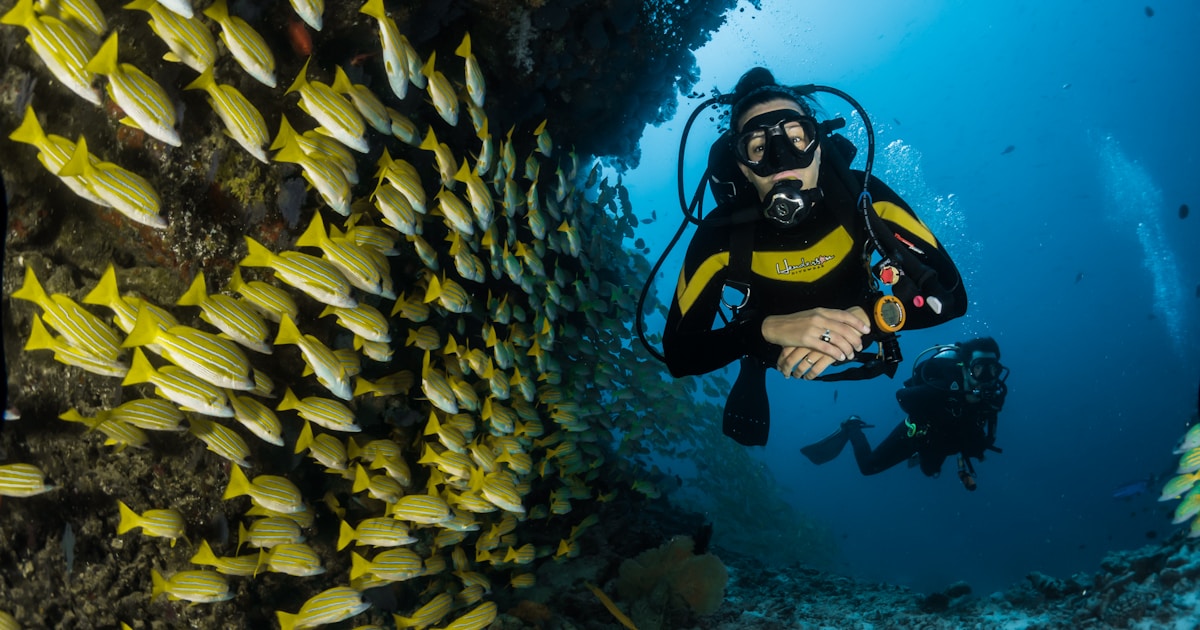
The first time I stuck my head underwater in the Andaman Sea, I saw a parrotfish the size of a house cat calmly chewing on a chunk of coral, completely unbothered by my existence. That was off a beach in Kata, with no tour, no boat, no guide — just a $5 mask from 7-Eleven and a bit of curiosity. That's the beauty of snorkeling in Phuket: you can have extraordinary underwater encounters with almost zero effort or expense.
But of course, some spots are dramatically better than others. And if you're willing to hop on a boat and invest in a proper tour, you can see things that rival the best snorkeling anywhere in the world. This guide covers the full spectrum — from free shore snorkeling at your doorstep to all-day excursions to remote islands with coral gardens and reef sharks.
The 10 Best Snorkeling Spots in & Around Phuket
1. Similan Islands
Best for: serious snorkelers, bucket-list experiences
Tour price: $90–$135 per person
Season: mid-October to mid-May only
The Similans are the gold standard. Nine granite islands about 70 km northwest of Phuket, protected as a national park since 1982. The coral here is some of the healthiest in Thailand — massive brain corals, branching staghorns, and table corals that spread out like underwater parasols. Visibility regularly hits 25–30 meters on calm days, and the marine life is dense: hawksbill turtles, blacktip reef sharks, manta rays (if you're lucky), barracuda schools, and every color of reef fish imaginable.
Most tours depart from Khao Lak (about 90 minutes north of Phuket by minivan), then it's a 60–70 minute speedboat ride to the islands. You'll typically visit 3–4 snorkeling points and one beach stop. A full day — you'll leave your hotel around 5:30 AM and return by 7 PM. It's long, but it's worth it. The $90 tours are on larger boats (30+ passengers); the $120–$135 options use smaller speedboats with 15–18 people and tend to hit different snorkeling points to avoid crowds. National park fee of 500 THB (~$14) is usually included in the tour price.
2. Racha Islands (Racha Yai & Racha Noi)
Best for: clear water, beginners, combination snorkel/dive trips
Tour price: $50–$75 per person
Season: year-round (best Nov–Apr)
The Racha Islands are just 12 km south of Phuket's Chalong Pier — a quick 35-minute speedboat ride. Racha Yai (the larger island) has several bays with white sand and turquoise water that photographs ridiculously well. The snorkeling is solid: healthy hard corals, plenty of anemone clusters with clownfish, sergeant majors, butterflyfish, and the occasional sea turtle.
Racha Noi (the smaller, uninhabited island) has more advanced snorkeling with stronger currents and deeper reefs. If your tour stops here, you might see reef sharks and large pelagic fish. Racha tours are a great option if you don't want the early wake-up and long travel time of a Similan trip. Many operators combine snorkeling with an intro dive for an extra $40–$60 — a great way to try scuba without committing to a full course.
3. Coral Island (Koh Hae)
Best for: families, easy access, half-day trips
Tour price: $35–$55 per person
Season: year-round
Coral Island is only 15 minutes by speedboat from Rawai Beach, making it the closest island snorkeling option from Phuket. The name doesn't lie — there's a decent coral reef on the western side that's home to parrotfish, wrasse, triggerfish, and moray eels. The water is calm and shallow enough for young kids and nervous first-timers.
The beach itself is pretty — powdery sand, clear water, and basic facilities including restaurants, bathrooms, and sun loungers. It gets crowded by midday (lots of day-tripping Chinese and Russian tour groups historically), so if you can, go early or opt for a private longtail for about $40–$50 for the whole boat. Half-day tours are the sweet spot — you get 2–3 hours on the island without the long-day fatigue.
4. Kata Beach
Best for: shore snorkeling, no boat required
Price: free (bring your own gear or rent for $5–$8)
Season: November–April
Kata Beach is one of the few beaches in Phuket where you can snorkel directly from shore and actually see things worth seeing. The rocky reef at the southern end of the beach has surprising variety — I've spotted pufferfish, needlefish, moray eels, and massive schools of silversides right there in waist-deep water. During high season when the water is calm and clear, visibility reaches 5–8 meters, which is respectable for a beach snorkel.
The best spot is the rocky area between Kata Beach and Kata Noi — look for the cluster of boulders on the south headland. Swim out about 30 meters and you'll find coral formations and plenty of fish. Wear reef shoes or fins — the rocks are sharp. This isn't Similan-quality, but for a free, no-effort snorkel right off a main beach, it's genuinely impressive.
5. Karon Beach
Best for: shore snorkeling, south end
Price: free
Season: November–April
Karon is a long, wide beach and most of it is just sand — no reef, no fish. But the very southern end, near the rocks below Karon Viewpoint, has a patch of reef that attracts a decent amount of marine life. You'll see triggerfish, angelfish, and small reef squid. It's not a destination snorkeling spot, but if you're staying in Karon and want a casual morning swim with some fish, the south end delivers. Avoid the monsoon months (May–October) when the surf and currents make swimming dangerous.
6. Freedom Beach
Best for: beautiful setting, combining beach and snorkel
Price: free snorkeling, $8–$10 longtail to access the beach
Season: November–April
Freedom Beach is famous for being one of the prettiest beaches near Patong, but few people realize the snorkeling along its rocky edges is quite good. The reef on the left side (facing the sea) has healthy hard and soft corals, and I've consistently seen lionfish, octopus, cuttlefish, and large parrotfish here. Because fewer people snorkel Freedom Beach compared to organized tour islands, the marine life tends to be less skittish.
Get there by longtail from the south end of Patong Beach ($8–$10 round trip) or hike down the steep jungle trail (15 minutes, slippery after rain). Bring your own mask and snorkel — there are no rental shops on Freedom Beach.
7. Banana Beach
Best for: quiet snorkeling, off the beaten path
Price: free
Season: November–April
A small cove on the northwest coast near Bang Tao, Banana Beach has a rocky reef on both sides that supports surprising biodiversity. The water is usually calm in high season, and because this beach gets far fewer visitors than the southern beaches, the coral is in better shape and the fish are more abundant. Expect to see damselfish, butterflyfish, blue-ringed angelfish, and occasionally small reef octopus hiding in crevices.
Access requires a short walk through trees from the road above — look for the signposted trail near Trisara resort. There's a small beach bar for refreshments. This is a morning spot — the light comes from the east and hits the water beautifully before 11 AM, plus it stays shaded by the hillside in the afternoon.
8. Anemone Reef
Best for: experienced snorkelers willing to join a dive boat
Tour price: $70–$100 (usually combined with Shark Point)
Season: November–May
Anemone Reef is a submerged pinnacle about 25 km east of Phuket, covered — as the name suggests — in a dense carpet of sea anemones. It's primarily a dive site, but on calm days the top of the reef comes within 5–8 meters of the surface, making it accessible to strong snorkelers with good breath-hold skills. The anemones host hundreds of clownfish, and leopard sharks sometimes rest in the sandy patches around the reef.
You won't find dedicated snorkeling tours here — you'll need to join a dive boat that stops at Anemone Reef and ask if you can snorkel while others dive. Most operators are happy to accommodate this if conditions permit. It's a niche option for people who want something beyond the standard tour circuit.
9. Shark Point (Hin Musang)
Best for: leopard shark sightings, experienced snorkelers
Tour price: $70–$100 (combined with Anemone Reef)
Season: November–May
Shark Point is another submerged reef system, marked by a single rock breaking the surface. The site gets its name from the leopard sharks (bamboo sharks) that frequently rest on the sandy bottom. While the sharks are usually at 12–18 meters (too deep for snorkeling), on exceptionally clear days you can sometimes spot them from the surface. Even without shark sightings, the soft corals here are spectacular — vivid purple, orange, and red sea fans cling to the rocks, and the fish diversity is outstanding.
Same deal as Anemone Reef — join a dive boat and negotiate snorkeling access. The surface current can be strong, so this is not for beginners. Bring a surface marker buoy if you have one.
10. Surin Beach
Best for: casual shore snorkeling, upscale area
Price: free
Season: November–April
Surin Beach was partially reclaimed from over-development a few years ago, and the marine life has responded positively. The rocky northern end of the beach has small coral formations and a surprising amount of fish for a beach this close to major resorts. It won't blow your mind, but after a morning of snorkeling you can walk straight into one of the beachfront restaurants for lunch. The water clarity at Surin is usually better than at Patong or Kamala, making it a nicer casual snorkeling experience. During high season you can rent masks for about $5–$8 from beach vendors.
What to Bring on a Snorkeling Trip
Whether you're joining a tour or heading to a beach on your own, here's what you actually need:
- Mask and snorkel: Tour operators provide them, but the quality varies wildly. If you snorkel more than once, buy your own at a dive shop in Chalong or Patong — a decent set costs $25–$50 and makes a massive difference in comfort and visibility. Get a silicone skirt mask (not PVC) and a dry-top snorkel to prevent water flooding in.
- Reef-safe sunscreen: This is non-negotiable. Chemical sunscreens with oxybenzone and octinoxate kill coral. Use mineral-based sunscreen with zinc oxide. Thailand's national parks are increasingly enforcing this, and you might be asked to wash off non-reef-safe sunscreen before entering the water.
- Rash guard or UV shirt: Better sun protection than sunscreen alone, and you don't have to reapply. A long-sleeve rash guard covers 90% of the sunburn problem.
- Reef shoes or fins: For shore snorkeling at rocky beaches (Kata, Freedom, Banana), reef shoes protect your feet from sharp coral and sea urchins. For boat snorkeling, short fins make swimming easier and let you cover more reef with less effort.
- Waterproof phone pouch: A $5 pouch from any dive shop works for basic underwater photos. For serious photography, rent a GoPro — most tour operators rent them for $15–$20 per day.
- Dry bag: Keep your wallet, phone, and clothes dry on boat trips. A 10-liter dry bag costs about $8 and is endlessly useful.
- Motion sickness medication: If you're prone to seasickness, take Dramamine or a ginger supplement 30 minutes before boarding. Speedboat rides to the Similans and Racha can get choppy, especially during monsoon shoulder months.
Best Season for Snorkeling in Phuket
The sweet spot is November through April — the dry season. Seas are calm, visibility is at its best (15–30 meters at offshore sites), and all the national parks are open. Within this window:
- November–December: Slightly fewer crowds, water clarity still building. Some plankton blooms can reduce visibility. Prices for tours are a bit lower.
- January–March: Peak season. Best visibility, calmest seas, but also the most crowded and most expensive. Book tours 2–3 days in advance.
- April: Still good, water getting warmer (30°C+). Transition month — occasional afternoon storms but mornings are usually clear.
May through October is the monsoon season. Shore snorkeling on the west coast beaches is generally not recommended due to strong waves and currents (red flags go up on many beaches). However, the east coast and southern islands (Racha, Coral Island) are still accessible — just expect reduced visibility (5–10 meters instead of 15–25). Tours still run but may be cancelled on rough days. The upside: fewer tourists and lower prices.
Marine Life You'll See
The Andaman Sea is part of the Coral Triangle's periphery, and Phuket's waters support a remarkable diversity of species. Here's what to look for:
Common (almost guaranteed)
- Clownfish (anemonefish): Nemo is everywhere, especially at Anemone Reef and Racha Islands.
- Parrotfish: Large, colorful, and constantly chewing on coral. You'll hear them before you see them.
- Butterflyfish: Elegant yellow-and-white fish that travel in pairs. Common at every snorkeling site.
- Sergeant majors (damselfish): Striped black-and-yellow fish that hang near the surface in large groups.
- Moray eels: Poke their heads out from holes in the reef. They look scary but are harmless if you don't stick your hand in their home.
- Blue-spotted stingrays: Rest on sandy patches between coral heads. Watch your step.
Frequent (most trips)
- Sea turtles: Hawksbill and green turtles are regular visitors at Similan, Racha, and Anemone Reef. Seeing one swimming lazily over the reef is a peak Phuket moment.
- Pufferfish: Round, spotted, and hilariously expressive. Often spotted at Kata and Freedom Beach.
- Lionfish: Beautiful and venomous — admire from a distance. Common at rocky reef sites.
- Cuttlefish: Masters of camouflage. Watch them change color in real time.
- Barracuda: Large, silvery, and intimidating but not dangerous to snorkelers. Schools of juvenile barracuda circle at many sites.
Lucky sightings (rare but possible)
- Blacktip reef sharks: Mostly at Similan Islands and Racha Noi. They're shy and keep their distance.
- Leopard sharks (bamboo sharks): Shark Point specialty. Rest on sandy bottom — harmless and gorgeous.
- Manta rays: Rare near Phuket, but spotted at Similan Islands during plankton-rich months (Feb–Apr). If you see one, consider it a gift.
- Octopus: Incredible camouflage makes them hard to spot. Look carefully at rocky surfaces — they blend in perfectly.
Price Comparison: Snorkeling Tours from Phuket
Here's a realistic breakdown of what you'll pay in 2026 — prices include transfers, equipment, lunch (on full-day trips), and national park fees where applicable:
- Coral Island half-day: $35–$55
- Khai Islands half-day: $25–$40
- Racha Islands full-day: $50–$75
- Phi Phi Islands full-day: $55–$85
- Similan Islands full-day: $90–$135
- Shark Point + Anemone Reef (dive boat): $70–$100
- Private speedboat charter (4–10 people): $600–$1,200 for the boat
The price variation usually comes down to boat size (smaller = pricier but better experience), whether it's a speedboat or longtail, and the quality of included equipment and food. Budget tours cut corners on safety briefings and equipment quality, so spending $15–$20 more often gets you a meaningfully better experience.
Compare prices and read verified reviews on UrTour — you'll see transparent pricing from multiple local operators without the markup you'd get from a hotel booking desk.
Safety Tips for Snorkeling in Phuket
- Never snorkel alone. Always have a buddy or stay within sight of your boat or beach. Currents can be stronger than they look.
- Check conditions before entering the water. If you see red flags on the beach, don't go in. Period. Phuket's west coast can have powerful rip currents during monsoon season.
- Don't touch anything. No stepping on coral, no grabbing sea creatures, no standing on reef. It damages the ecosystem and some things (lionfish, fire coral, stonefish) will hurt you badly.
- Wear a life vest if you're not a strong swimmer. No shame in it. Tour boats carry them and you should use one if you have any doubts about your swimming ability in open water.
- Stay hydrated. You're exercising in tropical sun, even if the water makes it feel cool. Drink water before and after your snorkel.
- Know your limits. If you get tired, cold, or start swallowing water, head back to the boat or shore. Snorkeling fatigue is real and it sneaks up on you.
- Watch for boats. When snorkeling from shore, stay close to the beach and look up periodically. Jet skis and longtails don't always see snorkelers in the water.
Tips for Complete Beginners
If you've never snorkeled before, Phuket is one of the best places on Earth to start. The water is warm (28–31°C year-round), calm during high season, and the marine life comes to you — you don't need to dive deep or swim far.
Practice first
Before your first ocean snorkel, spend 10 minutes practicing in a pool or calm beach shallows. Put on your mask, breathe through the snorkel, and get used to the sensation of breathing with your face in water. The number one beginner mistake is panicking because the breathing feels unnatural — practice removes that anxiety.
Get the right mask fit
The mask should seal to your face without the strap — press it gently to your face and inhale through your nose. If it stays on, it fits. If water floods in, try a different size. A leaking mask ruins the experience faster than anything else.
Don't exhaust yourself
Float, don't swim. Let the life vest or your natural buoyancy do the work. Move slowly, kick gently from the hips, and keep your arms at your sides. The fish aren't going anywhere — there's no rush.
Defog your mask
Spit in your mask (yes, really), rub it around the inside of the lens, rinse once with seawater, and put it on. This prevents fogging. Commercial defog solution works too, but saliva is free and works just as well.
Start at Coral Island or Kata Beach
Both have calm, shallow water and visible marine life. Coral Island tours are well-organized for beginners, with guides who'll help you get comfortable. Kata Beach is free and lets you snorkel at your own pace — just walk into the water at the south end.
Where to Book
Skip the street vendors and hotel tour desks — they charge commissions of 20–50% and the quality of what you get is a lottery. Instead, compare tours from verified local operators on UrTour. You'll see real prices, real reviews, and you can filter by group size, boat type, and destination. Free cancellation up to 24 hours before most tours.
If you're also interested in the island-hopping side of things, check out our complete guide to Phi Phi Island tours — many of those trips include excellent snorkeling stops.
Final Thoughts
Snorkeling in Phuket isn't a single experience — it's a spectrum. On one end, you've got free shore snorkeling at Kata where you might see a parrotfish and a moray eel. On the other end, you've got a full-day Similan expedition where you're swimming with sea turtles and reef sharks in 30-meter visibility. Both are worth doing. Both will remind you that there's an entire world beneath the surface that most people never see.
Bring a mask. Jump in. Look down. That's all it takes.

